Physical Address
304 North Cardinal St.
Dorchester Center, MA 02124
Physical Address
304 North Cardinal St.
Dorchester Center, MA 02124

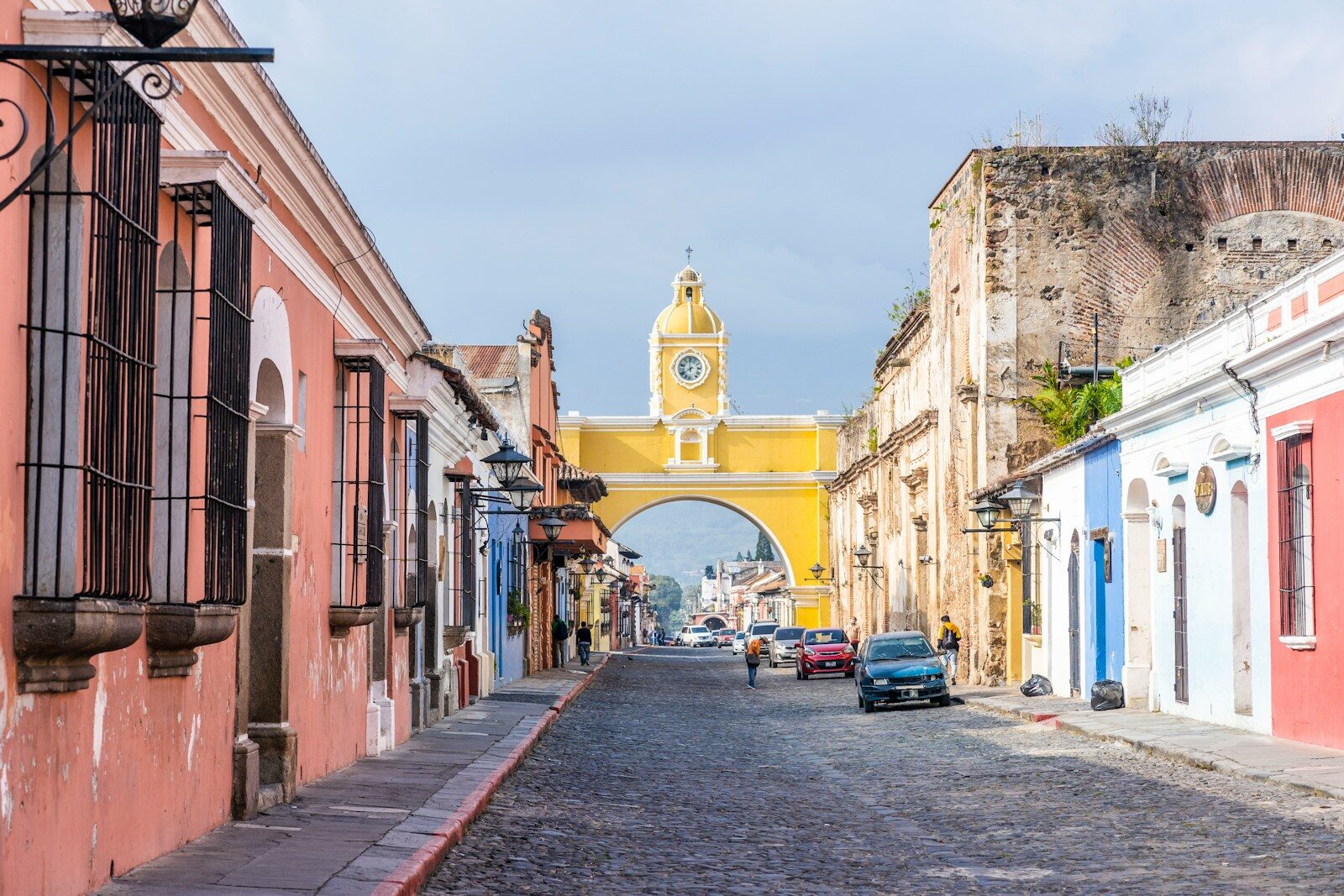
Cobblestone streets, crumbling convents and volcanoes rising above terracotta rooftops. In Guatemala’s former capital, centuries of history remain written into the architecture of a city that has endured destruction and reinvention.
There is something wonderfully theatrical about Antigua. Pastel-coloured buildings line uneven cobblestone streets, enormous wooden doors conceal peaceful courtyards, and the unmistakable silhouette of Volcán de Agua rises beyond the rooftops.
At first glance, the city appears almost impossibly picturesque. Yet behind its colourful façades lies a history shaped by colonial ambition, devastating earthquakes and remarkable resilience.
Set in Guatemala’s central highlands, Antigua is a place where the past feels unusually close, not preserved behind museum glass, but woven into the fabric of everyday life.
Founded at its present location in 1543, Antigua became one of the most important cities in Spanish colonial Central America. Grand churches, monasteries and palaces reflected its political and religious influence.
Then, in 1773, a series of powerful earthquakes devastated much of the city, prompting the Spanish authorities to relocate the capital to what is now Guatemala City.
What remained was an extraordinary architectural legacy.
Today, the ruins of churches and convents stand alongside restored buildings, their fractured walls and exposed archways revealing the city’s turbulent history.
Recognised as a UNESCO World Heritage Site in 1979, Antigua remains one of the finest surviving examples of colonial urban planning in Latin America.
Perhaps Antigua’s greatest attraction is the city itself.
The famous Santa Catalina Arch frames Volcán de Agua in the distance, while the ornate yellow façade of La Merced church offers a glimpse into the grandeur of the city’s colonial past.
Elsewhere, hidden courtyards open into cafés, galleries and intimate boutique hotels, many occupying beautifully restored historic buildings.
Beyond the rooftops, the surrounding volcanoes provide a dramatic contrast to the city’s carefully preserved streets.
The result is a destination that feels both intimate and monumental, where a quiet morning in a courtyard can be followed by views of some of Central America’s most imposing natural landmarks.
Despite its historic appearance, Antigua is far from a city frozen in time.
Contemporary restaurants, independent coffee shops and creative spaces sit alongside traditional markets and longstanding religious customs.
Guatemala’s renowned coffee culture is particularly visible here, with the surrounding highlands producing beans prized for their distinctive character.
It is this combination of old and new that gives Antigua its appeal. History is present everywhere, but so too is the energy of a living city.
As evening settles, warm light falls across weathered stone façades and the volcanoes fade into the distance.
Antigua’s beauty is undeniable. But it is the stories behind those beautiful streets that make the city truly extraordinary.